Transform Your Outdoor Space: Professional Garden Design Solutions Customized for Your Home
Transforming outdoor areas can greatly improve a home's aesthetic and functionality. Expert landscape design services offer tailored solutions that consider regional conditions and personal preferences. With skilled experts at the helm, homeowners can expect a seamless integration of plants, hardscapes, and lighting. Yet, understanding how to work together effectively and define a vision remains essential. Exploring these elements can lead to a life-changing outdoor environment that meets both needs and aspirations.
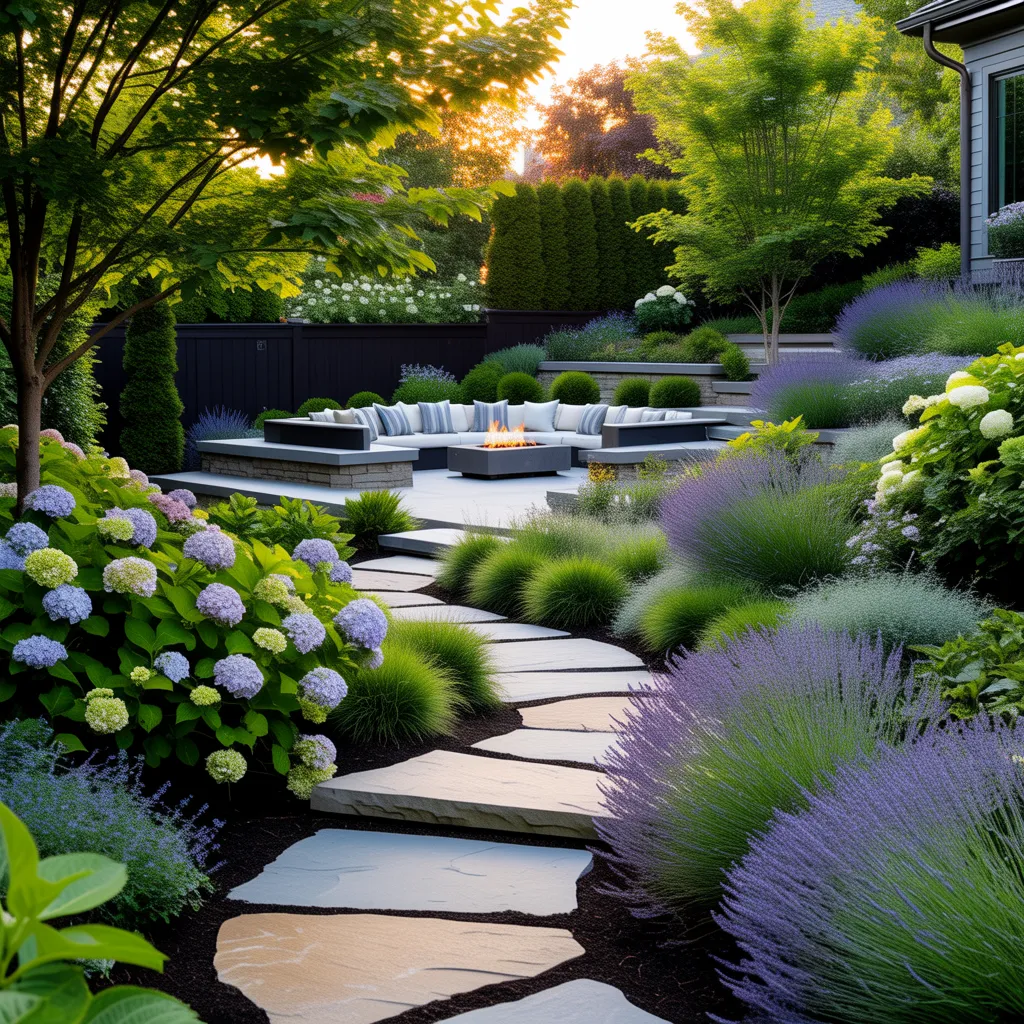
Why Choose Experienced Landscape Design Solutions?
When assessing a overhaul of exterior environments, many residents appreciate the value of professional landscape design services. These professionals deliver a wealth of knowledge and creativity, making certain that the plan aligns with the homeowner's preferences while enhancing utility and aesthetic appeal. Professionals understand the intricacies of area weather patterns, soil types, and plant choices, permitting them to establish sustainable landscapes that thrive.
Moreover, outdoor design professionals can effectively integrate multiple components, such as hardscapes, lighting, and irrigation systems, into a unified design. This comprehensive strategy not only improves aesthetic quality but also increases property value. Additionally, engaging experts can reduce duration and minimize expensive errors. Their expertise in navigating zoning regulations and obtaining permits adds another layer of convenience for homeowners. Ultimately, choosing professional landscape design services can transform outdoor areas into attractive, practical environments that showcase personal preferences and enhance overall quality of life.
How to Develop Your Exterior Vision?
In what ways can homeowners solidify their outdoor vision? First off, they should reflect on their lifestyle and how they want to use the exterior area. Recognizing unique requirements—whether for entertaining, gardening, or relaxation—can guide the design process. After that, property owners should look into different design options, such as modern, rustic, or tropical, to figure out what resonates with their style inclinations.
Building a mood board or curating artwork from magazines and online platforms can supply visual inspiration and aid in articulating ideas. Additionally, evaluating the existing landscape elements, such as foliage and slopes, allows for a more cohesive design.
Developing a spending plan is critical, as it shapes material decisions and project scale. Finally, homeowners should evaluate maintenance needs, confirming the vision is sustainable for their personal lifestyle. By taking these actions, insight crystallizes, creating the opportunity for a precisely defined landscaping vision that aligns with their aspirations.
Engaging Successfully With Your Landscape Designer
Effective collaboration with a landscape designer originates with a explicit communication of one's vision. It is essential to relay financial boundaries candidly to confirm realistic planning. Crediting the designer's expertise can lead innovative solutions that correspond with the client's wants while strengthening the overall terrain.
Establish Your Direction with Precision
What defines a successful partnership with a landscape designer? Lucidity in purpose is crucial. Homeowners must express their tastes, lifestyle needs, and desired aesthetic to guarantee the designer understands their requirements. Supplying visual references, such as photos or sketches, can greatly enhance understanding. Additionally, talking about particular elements like color schemes, materials, and plant types helps in refining the concept. Strong dialogue is essential; homeowners should feel comfortable expressing their thoughts and concerns throughout the undertaking. This transparent communication cultivates a robust collaboration, allowing the designer to create personalized designs. In the end, a well-defined direction serves as a foundational guide, enhancing the likelihood of achieving a harmonious outdoor space that aligns with the homeowner's aspirations.
Disclose Your Budget Boundaries
A clear vision sets the foundation for thriving landscape design, but grasping financial boundaries is equally important. When collaborating with a landscape designer, sharing financial limitations encourages openness and trust. Clients are advised to provide a reasonable budget upfront, allowing designers to offer solutions aligned with their monetary objectives. This honest discussion enables the designer to prioritize elements, guaranteeing that key components are included without overspending. Additionally, discussing budget constraints can result in creative alternatives, like choosing more cost-effective materials or adjusting project timelines. Ultimately, a well-defined budget empowers both parties to work together effectively, producing a landscape that not only satisfies aesthetic desires but also stays financially achievable.
Have Faith in Their Expertise Entirely
Trusting a outdoor designer's expertise is essential for achieving a successful outdoor project. Their extensive knowledge of vegetation, supplies, and aesthetic concepts allows them to create unified and practical spaces. Clients should approach the collaboration with an open mind, appreciating the designer's suggestions while also expressing their desires. Clear communication is vital; exchanging thoughts and input fosters a productive partnership. Designers often have access to materials and options that homeowners may not consider, enhancing the overall vision. By respecting the designer's professional insights, clients can guarantee that their unique needs are met while benefiting from innovative design strategies. Ultimately, this trust leads to an outdoor space that reflects both individual taste and expert guidance.
Finding the Best Garden Design Approach for Your Home
How can property owners determine the ideal landscape design approach that complements their property? First, they should assess the architectural style of their home. A modern house often works nicely with minimalist landscaping, while a traditional home may benefit from classic garden elements. Next, homeowners should consider their personal preferences and lifestyle. For instance, those who expert tips enjoy entertaining might prefer open spaces with seating areas, while nature enthusiasts may lean towards native plants and wildlife-friendly designs.
Additionally, local climate and soil conditions serve as crucial determinants in choosing suitable plants and materials. Homeowners can also explore different aesthetic approaches, including Mediterranean, Japanese Zen, or cottage gardens, to find inspiration. In conclusion, consulting with a landscaping expert can offer beneficial guidance suited to the specific property, guaranteeing the selected aesthetic complements both the environment and the homeowner's vision.
Financial planning Tips for Your Landscape Makeover
Planning for a landscape makeover commences with determining preferences, as this helps homeowners to zero in on what features are essential. Following this, assessing supply expenses is essential for setting up a feasible financial plan. Through handling these key aspects, individuals can confirm a productive and gratifying transformation of their landscape area.
Figure Out Your Important Priorities
When beginning on a landscape makeover, grasping one's priorities is vital for effective budgeting. Homeowners should first determine their main goals, whether it's designing an outdoor recreational area, boosting curb appeal, or strengthening privacy. This clarity helps in allocating resources efficiently. Assessing the current landscape and identifying which elements need immediate attention can also expedite the process. Additionally, it is essential to consider long-term upkeep and environmental responsibility; investing in quality materials may lower future costs. Setting a realistic budget that reflects these goals secures that the project aligns with both aesthetic desires and budget limitations. By focusing on needs, homeowners can realize a unified and satisfying landscape transformation without exceeding budget.
Assess Material Expenses
Estimating project expenses is a crucial step in organizing a effective landscape makeover. Homeowners should begin by compiling all wanted elements, such as plants, hardscapes, and lighting. Researching local suppliers can provide insights into costs and availability. It's vital to account for additional expenses, including soil, mulch, and tools, which can significantly impact the overall budget. Furthermore, adding a contingency fund of 10-20% allows for unexpected expenses that may arise during the project. By carefully calculating these expenses, homeowners can guarantee they remain within their financial limits while achieving their intended outdoor space. Consulting with landscape professionals can also offer expert advice in making informed material choices that align with budget constraints.
Vital Upkeep Guidelines for Your New Landscape Design
Proper maintenance is essential for any new landscape design to thrive and retain its beauty. Regular watering is critical, especially during the initial development phase; establishing root systems requires uniform moisture. Mulching around plants helps retain soil moisture, inhibit weeds, and regulate temperature.
Pruning must be carried out at regular times to promote robust growth and eliminate any withered or infected branches. Nutrient application, tailored to the individual necessities of plants, increases nutrient uptake and stimulates radiant blossoms.
Weed management is crucial; regular inspection and removal stop resource competition. Additionally, monitoring for pests ensures timely action, safeguarding plant health.
Seasonal cleanings, such as leaf removal and debris clearing, maintain aesthetics and prevent mold development. Finally, soil health should be assessed regularly, with modifications made as needed to guarantee optimal growing conditions. By following these upkeep guidelines, homeowners can preserve the charm and integrity of their outdoor landscaping.

Common Questions Asked Often
Which Resources Are Optimal for Sustainable Landscaping?
Recycled materials, native plants, permeable pavers, and organic mulches are ideal for green landscaping. These choices boost biodiversity, minimize water usage, and cut down on waste, developing eco-conscious spaces that flourish with limited maintenance.
How Extended is a Average Landscape Project Timeline?
A standard landscape project can take anywhere from a few days to several weeks, depending on the job's complexity, size, and the specific features being added, such as plants, hardscapes, or irrigation systems.
Can Landscaping Increase My Property Value?
Yes, landscape design can greatly increase property value. Well-planned outdoor spaces improve visual attractiveness, increase usability, and appeal to prospective purchasers, ultimately leading to higher market prices and a better return on investment for homeowners.
Which Varieties Are the Most Common for Local Climates?
The most beloved plants for local regions often feature native types, water-conserving options, and perennials. These selections boost ecological richness, necessitate less care, and excel in their respective environments, making them well-suited for sustainable landscaping.
What Preparations Do I Need to Make for My Yard Before Landscaping Gets Underway?
To prepare the yard before landscaping, one should clear debris, assess soil quality, clear weeds, and designate planned features. Maintaining adequate drainage and measuring spaces for plants and hardscapes will support a smoother installation process.